
Apple is developing a much thinner Face ID hardware module in an effort to reduce the space its facial authentication system takes up in the iPhone Air, a known leaker on China’s Weibo social media platform today suggested.
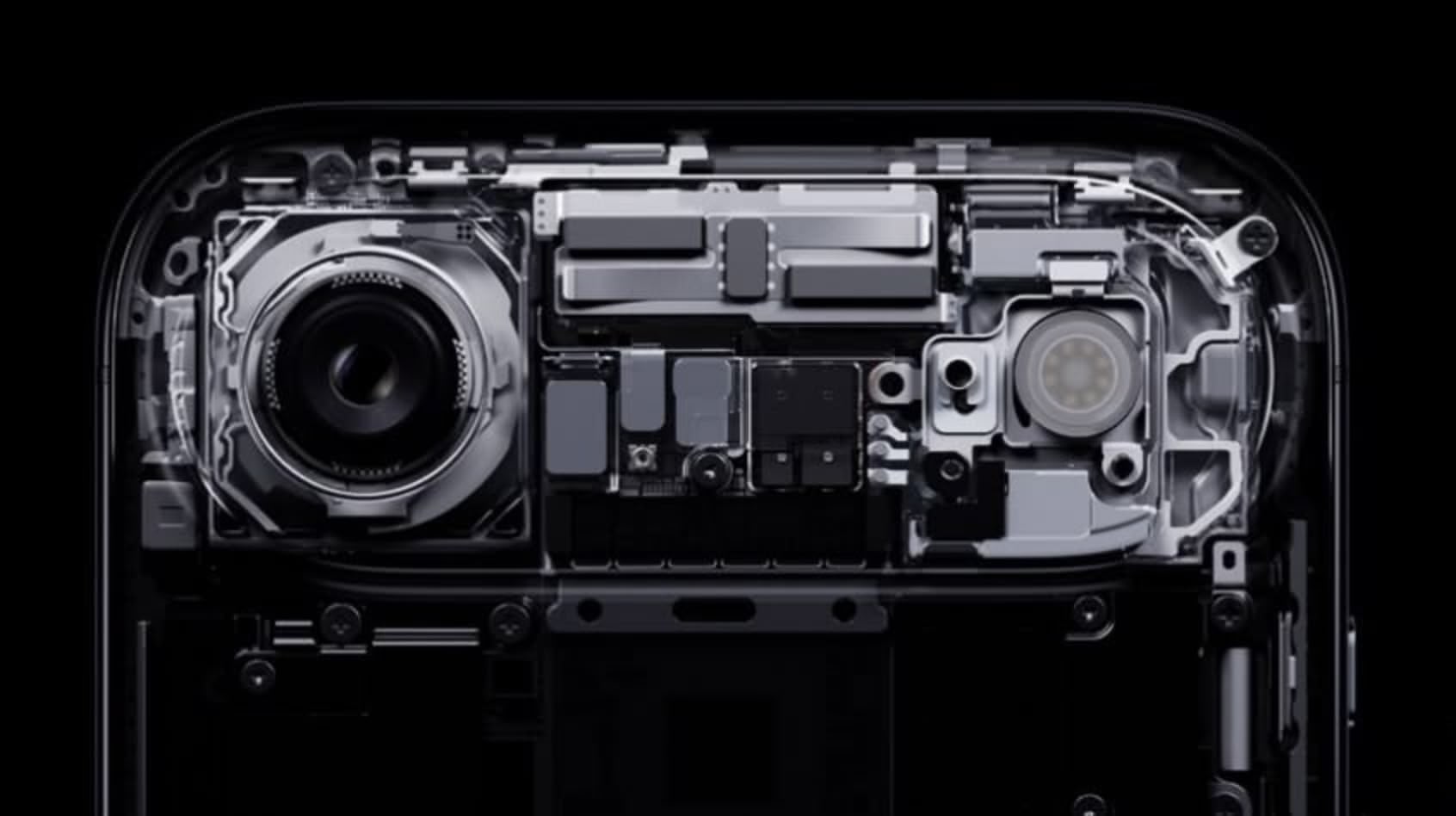
According to Instant Digital, Apple has requested an “ultra-thin” Face ID component from suppliers that will allow the device to accommodate an ultra wide-angle lens in addition to the existing single main lens.
A redesign that includes a second camera is said to be one way that Apple thinks it can address user complaints that the iPhone Air, while an impressive design feat, has led to too many hardware compromises, especially given the $999 price tag.
Multiple technologies are housed in the plateau of the iPhone Air to maximize space for the battery, so Apple would presumably need to redesign the internals considerably to fit in another camera. Chinese leaker Digital Chat Station in November said Apple was focusing on making the device ultra-thin and lightweight in order to do just that.
The claim was soon followed by a report by The Information suggesting a second camera for the device was indeed in development.
For its rumored upcoming foldable iPhone, expected later this year, Apple has reportedly chosen to integrate Touch ID into the side button, rather than use Face ID, in order to make the device as slim as possible. Designing a smaller TrueDepth camera system could arguably see a next-generation model switch over to facial authentication.
Today’s leaker speculates that an ultra-thin Face ID module could even eventually find its way into a MacBook, but there are no active rumors that indicate this is something Apple is working on.
In 2022, Bloomberg‘s Mark Gurman said Apple tested Face ID for the iMac, but the technology necessary to embed the authentication hardware into a thin notebook display simply wasn’t available, and the biometric system has yet to be added to any Mac.
Around the same time, a marketing employee for Apple argued that Touch ID is more convenient, since the button is near your hands. Of course, that does not rule out the possibility of Apple adding Face ID to a Mac in the future.
The latest claim doesn’t point to any imminent product changes – the second-generation iPhone Air is not expected until next year – but it does suggest Apple is actively reassessing how its Face ID hardware is packaged. Watch this space.
This article, “Apple Developing Thinner Face ID for iPhone Air 2, Report Suggests” first appeared on MacRumors.com
Discuss this article in our forums
